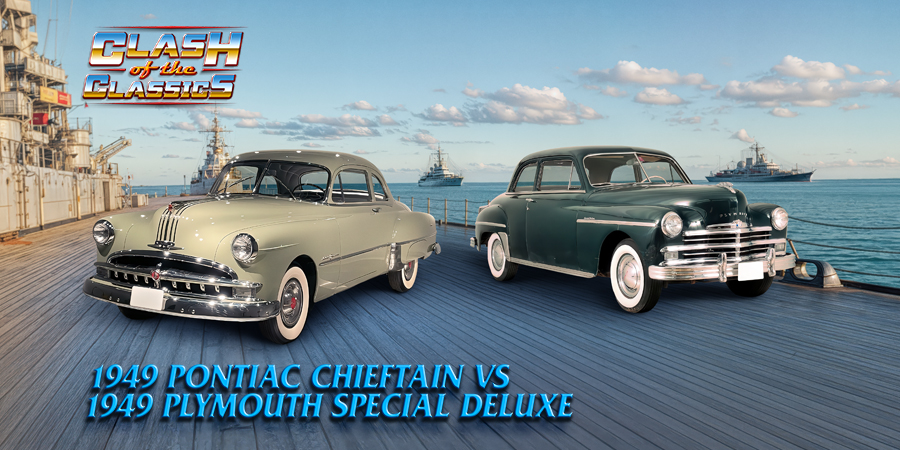
Welcome, once again to Clash of the Classics. This month we’ll head back to the mid-20th century to compare two dependable postwar favorites that helped families embrace the new era of American driving: The 1949 Plymouth Special Deluxe and the 1949 Pontiac Chieftain.
1949 was an interesting time here in America. President Harry S. Truman began his full elected term, the biggest pop hit of 1949 was Ghost Riders in the Sky, and the New York Yankees beat my favorite team, the Brooklyn Dodgers in the World Series.
In the automotive world, America was hungry for fresh designs after years of rationing and repetition on the roads. Manufacturers responded with updated styling, improved comfort, and reliable powertrains that balanced practicality with a sense of optimism. In this competitive landscape, Plymouth emphasized value and durability while Pontiac aimed for a touch more presence and refinement in the mid-priced field.
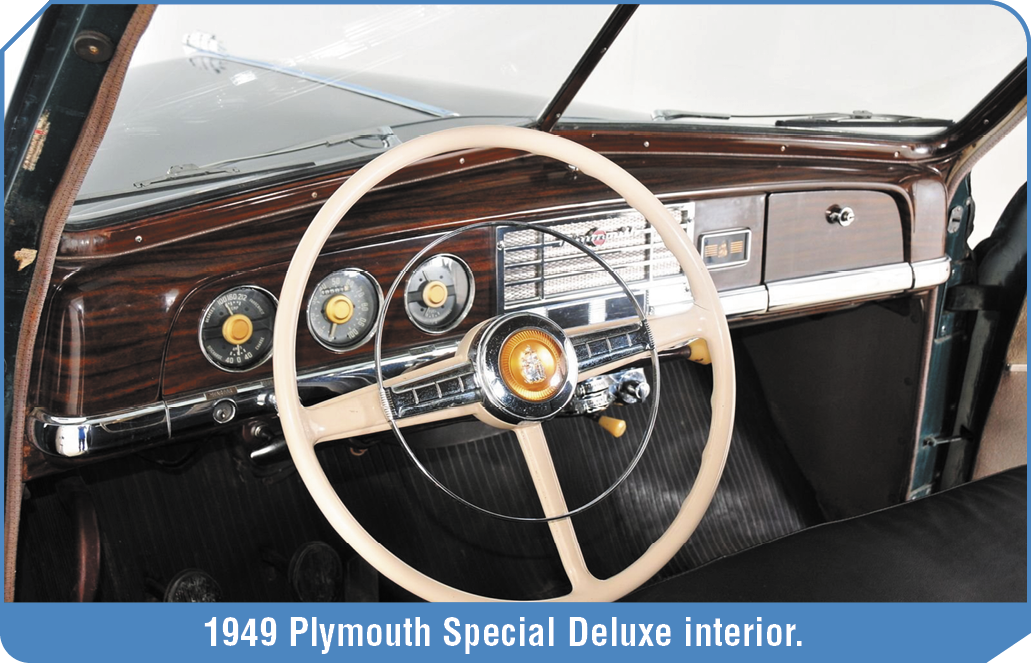 Let’s begin with a look at the 1949 Plymouth Special Deluxe.
The Special Deluxe represented Plymouth’s top trim level for 1949, part of the division’s first major postwar redesign that arrived in March of that year. It offered families and first-time new-car buyers a blend of modern styling and proven Chrysler engineering at an affordable price.
Total Plymouth production reached approximately 520,385 units, with the Special Deluxe accounting for around 372,222 of them — a strong showing that highlighted its popularity across body styles including sedans, coupes, and convertibles.
Styling featured clean, updated lines with a fresh front grille, integrated headlights, and smoother fenders that moved away from the more rounded prewar look. The Special Deluxe added extra chrome trim, upgraded interior fabrics, and small luxury touches like chrome window surrounds and better carpeting that made it feel a step above the base Deluxe models. Interiors were spacious and practical, with comfortable bench seating for six and good visibility thanks to generous glass areas.
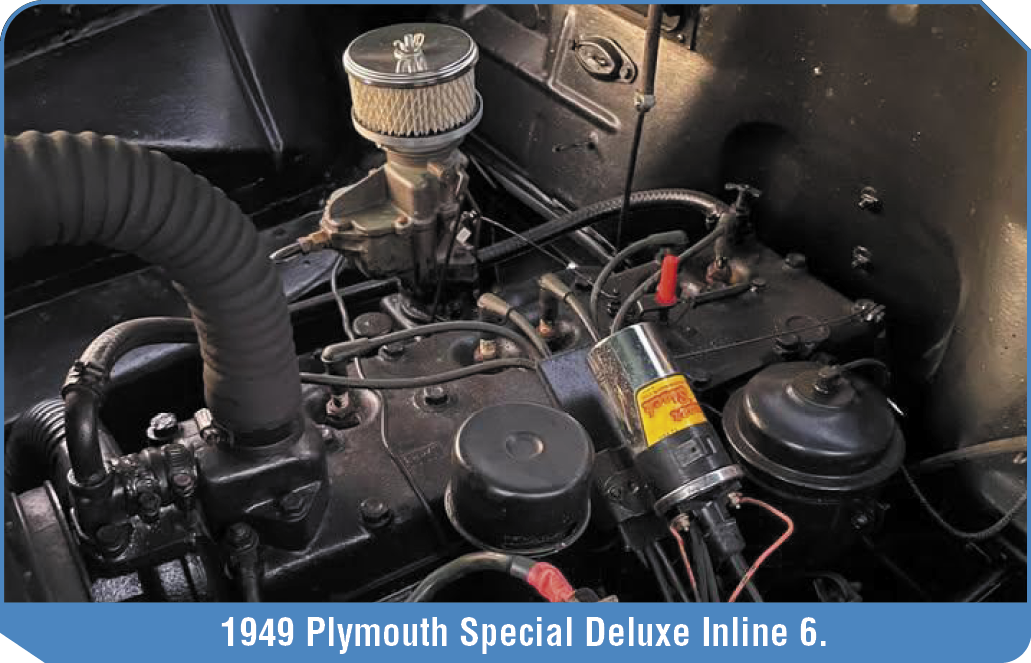 Under the hood sat Plymouth’s reliable 217.8-cubic-inch L-head inline-six engine, rated at 97 horsepower at 3,600 rpm with solid low-end torque around 175-180 lb-ft. It was, for the most part, a smooth-running six cylinder that provided dependable performance for both daily driving and highway cruising alike.
The chassis used a 111-inch wheelbase with coil springs up front and leaf springs at the rear, delivering a comfortable ride tuned more for family comfort than sporty handling. Hydraulic drum brakes provided adequate stopping power for the era.
The Special Deluxe proved to be a smart, no-nonsense choice that helped Plymouth maintain strong sales in a competitive market. Its durability and straightforward design made it a favorite with many families, and survivors are still enjoyed today by both collectors and enthusiasts who appreciate its honest postwar character.
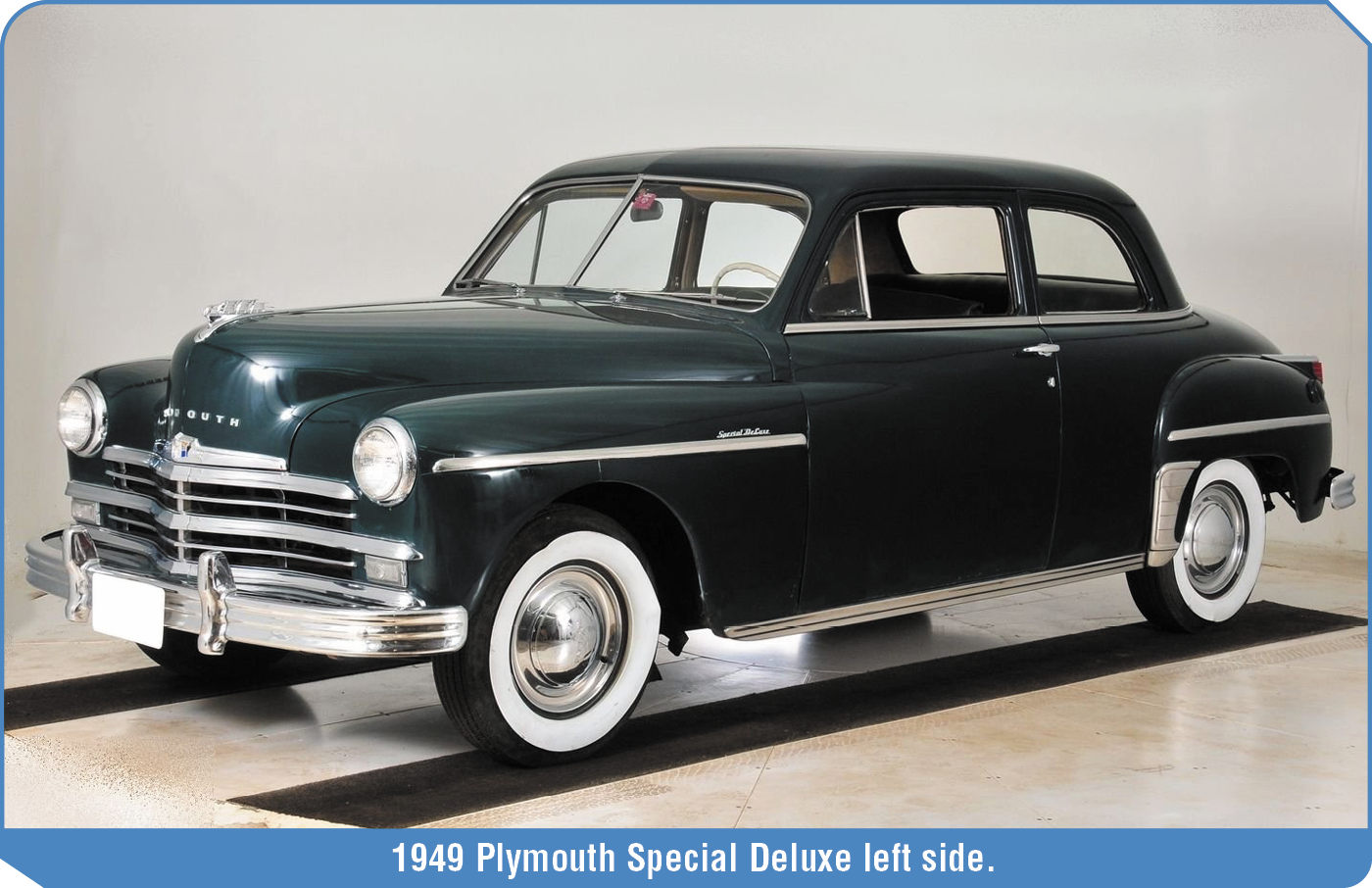 I was fortunate enough to get to experience a nicely preserved 1949 Plymouth Special Deluxe sedan during a vintage car event out in Gatlinburg, Tennessee a few years back. The owner, a longtime Mopar collector, invited me for a short drive along the scenic roads near the Great Smoky Mountains after the main event.
Sliding behind the wheel felt welcoming and familiar — the inline-six started surprisingly easy and idled smoothly with that classic flathead sound. As we pulled into traffic and wound through the rolling hills, the Plymouth accelerated with steady, unhurried pull, the three-speed shifting cleanly through the gears.
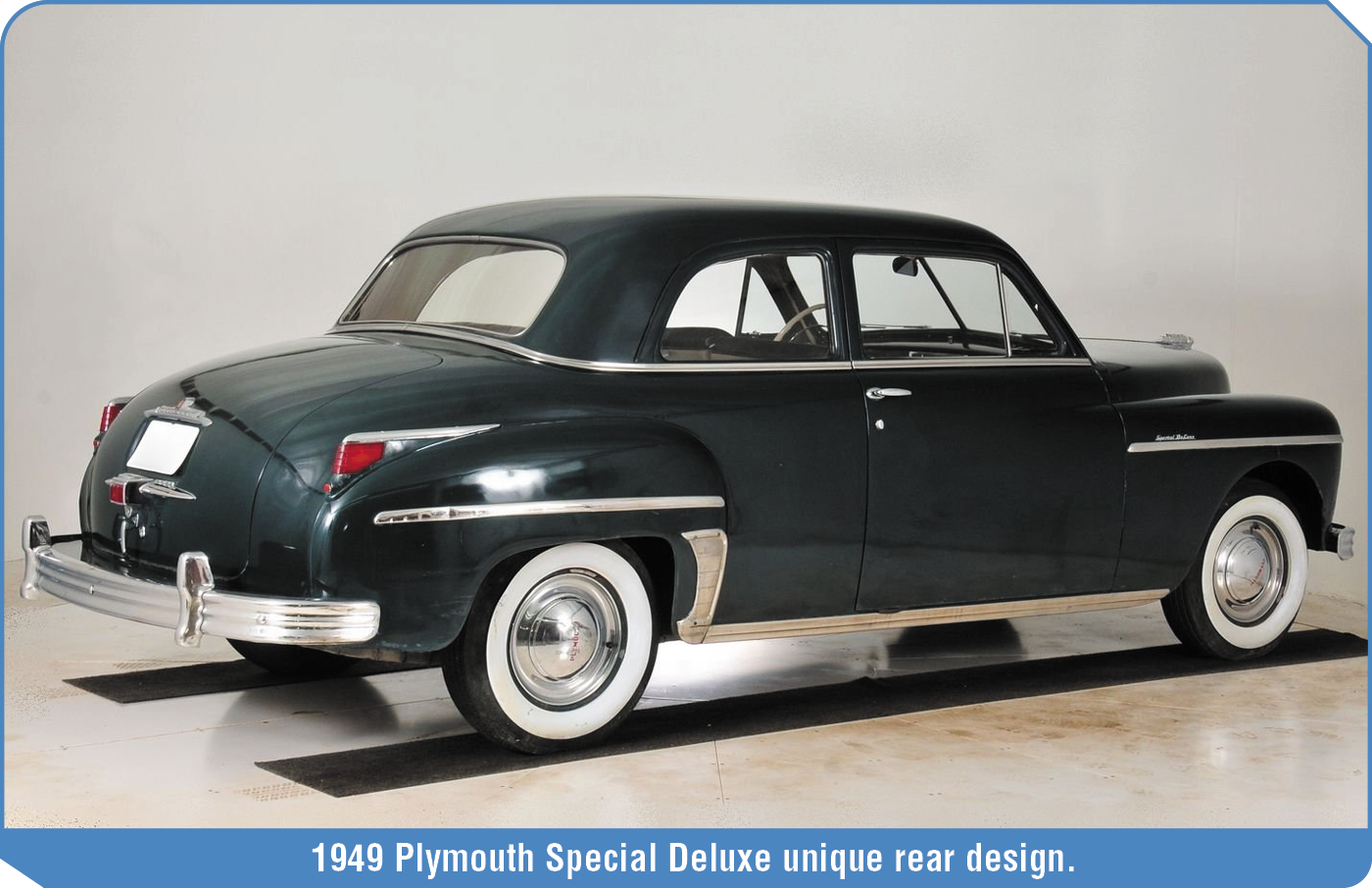 The ride soaked up the pavement imperfections comfortably, and the bench seat offered plenty of room for a relaxed cruise. Visibility was excellent through the mountain curves, and the whole car felt solid and well-built, the kind of dependable machine that families trusted for years of service. It wasn’t flashy or powerful by later standards, but it delivered genuine satisfaction and a strong sense of midcentury American pride.
That mountain drive reminded me why these early postwar Plymouths developed such loyal owners. I haven’t been back to Tennessee since then, but I’m certain I’ll always remember how cool that car was.

Let’s look briefly now at the 1949 Pontiac Chieftain.
The Chieftain was Pontiac’s new top-line series for 1949, marking the division’s first all-new postwar design and replacing the earlier Torpedo models. It offered buyers a bit more style and presence than entry-level competitors while maintaining GM’s reputation for solid engineering.
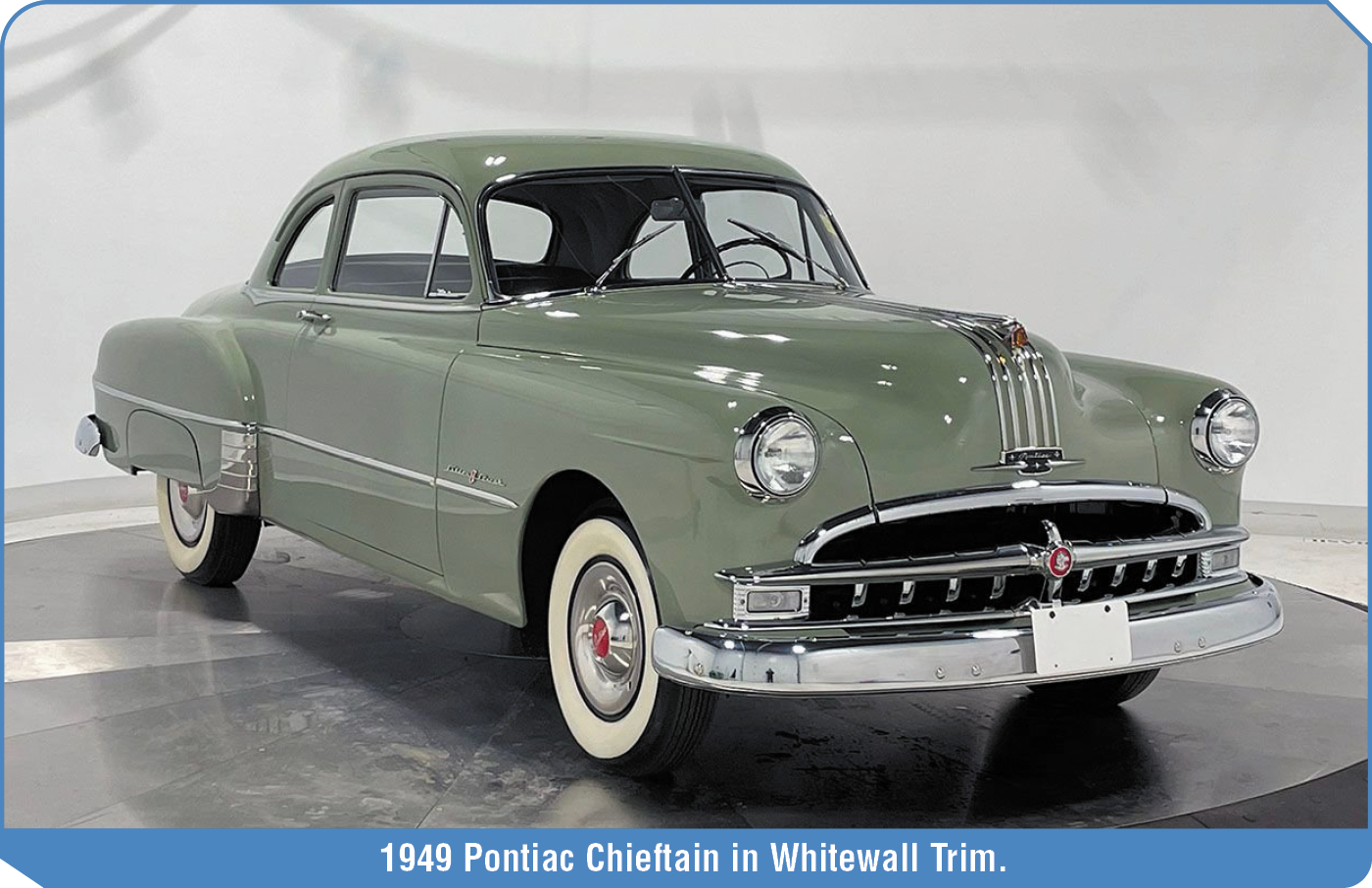 Total Pontiac production reached around 304,819 units, with Chieftain models forming a major part of the lineup across sedans, coupes, and convertibles.
Styling featured handsome Art Deco influences with those distinctive “Silver Streak” chrome hood strips (a Pontiac trademark), a bold front grille. Along with that, the flowing fenders gave the car, at least in my opinion, a more substantial and upscale appearance.
The Chieftain Deluxe trim added extra chrome, two-tone paint options, and upgraded interiors with richer fabrics and thoughtful details like armrests and better instrumentation. It was the kind of car that projected quiet confidence and postwar modern success.
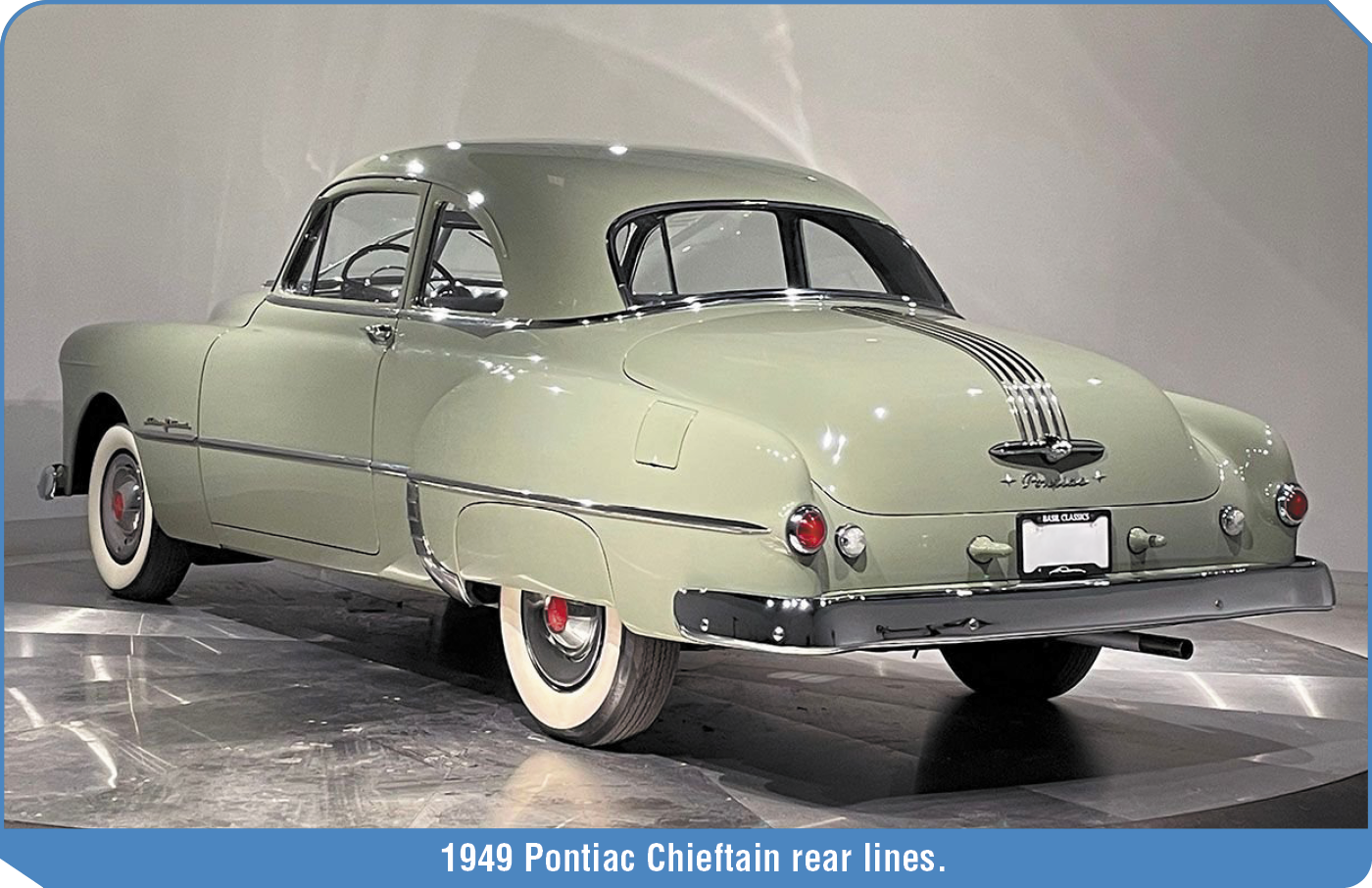 Power came from a couple of Pontiac’s proven inline engines: a 239.2-cubic-inch L-head six making about 90-93 horsepower, or the more desirable 248.9-cubic-inch inline-eight delivering 103-106 horsepower depending on compression ratio. The straight-eight provided smoother operation and stronger pull, making it a favorite among buyers who wanted a touch more refinement.
The chassis rode on a 120-inch wheelbase with independent front coil suspension and rear leaf springs, tuned for a stable and comfortable ride suitable for family travel. Hydraulic drum brakes handled stopping duties adequately.
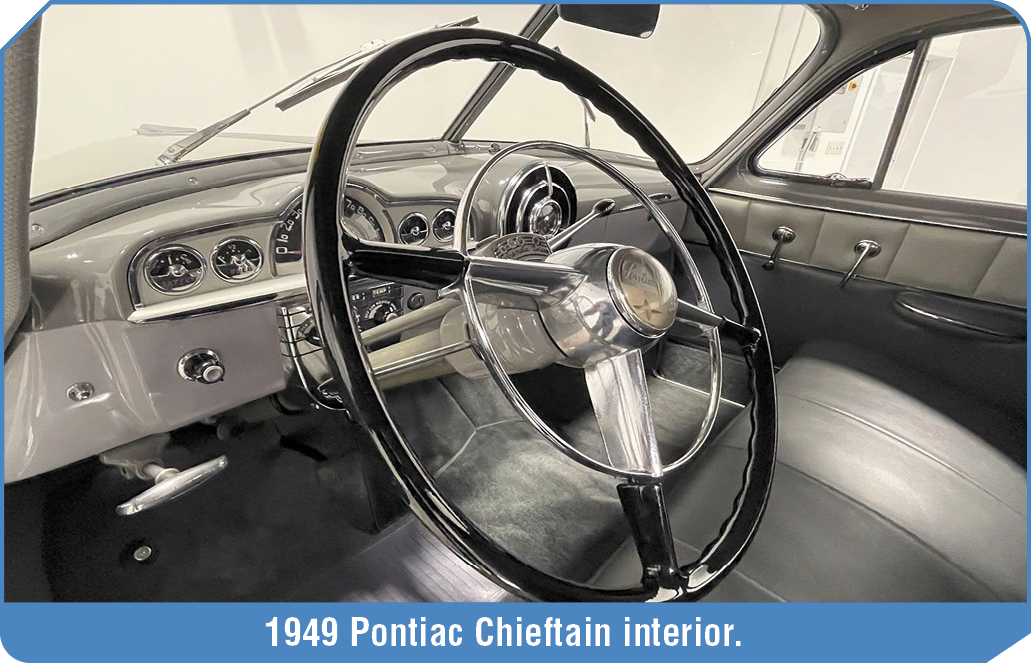 The Chieftain helped Pontiac strengthen its position in the midpriced market, offering buyers a stylish alternative that bridged the gap between Chevrolet and more expensive GM divisions. Its inline-eight engine and upscale details gave it lasting appeal among collectors.
The battle between the 1949 Plymouth Special Deluxe and the 1949 Pontiac Chieftain is a classic matchup of Chrysler Corporation practicality versus General Motors refinement. Both cars represented the optimistic spirit of 1949 America — reliable, stylish machines that helped many folks enter the postwar era with confidence and a bit of flair.
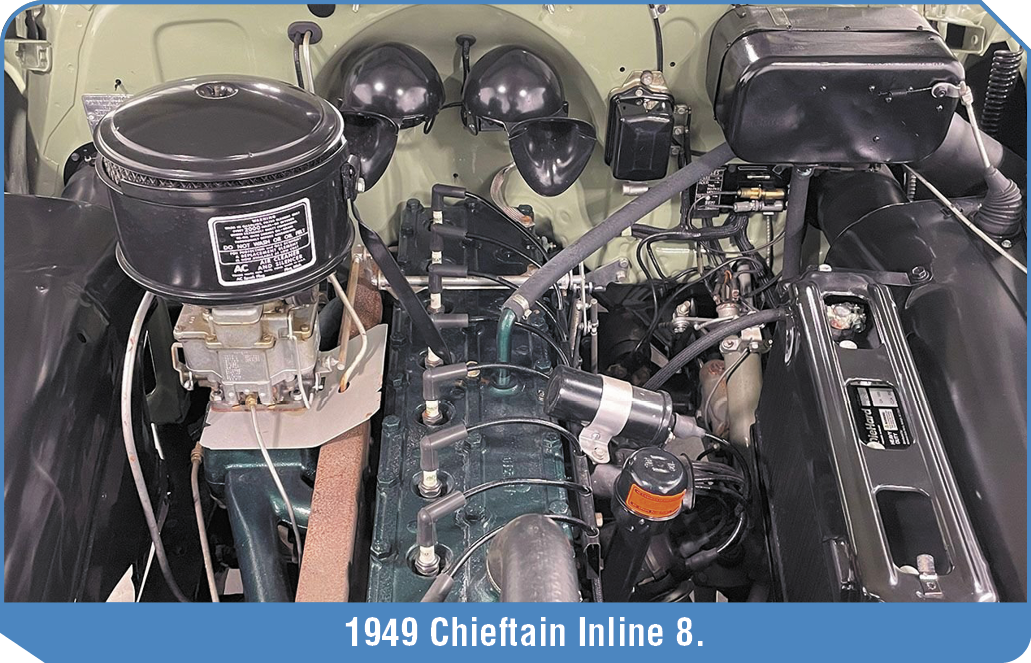 After carefully considering the engineering, driving character, styling presence, and overall ownership appeal, the nod this month goes to the 1949 Pontiac Chieftain. Its available straight-eight engine delivered smoother and stronger performance, the longer wheelbase and upscale details provided a more substantial and comfortable driving experience, and the Silver Streak styling gave it a distinctive character that still turns heads today. The Chieftain simply felt like a step up in presence and refinement while maintaining solid reliability.
That said, I am, and will continue to be a huge fan of the Plymouth Special Deluxe. Its reputation as a dependable family car that delivered great value for the money is richly deserved. It was certainly a practical choice that served millions of owners well.
Both of these cars are great examples of early postwar American automotive design and well worth preserving and enjoying on today’s roads.
As always, we’d love to hear from you — let us know which car you prefer and why. Until next time when we take another ride on a classic highway, stay safe… stay timeless… stay classic!
About the Author
Donny Caccamise is an Automotive Technology Graduate and a Certified Master Technician with more than 40 years of automotive industry experience. Before retiring, he hosted the Nationally Syndicated Automotive Talk Radio Show “Horsepower for an Hour” airing on 161 AM and FM radio stations across the nation. He is a retired member of the ATRA Board of Directors, and retired transmission shop owner. Vintage and classic cars are his specialty. Contact Donny at donnycaccamise@gmail.com