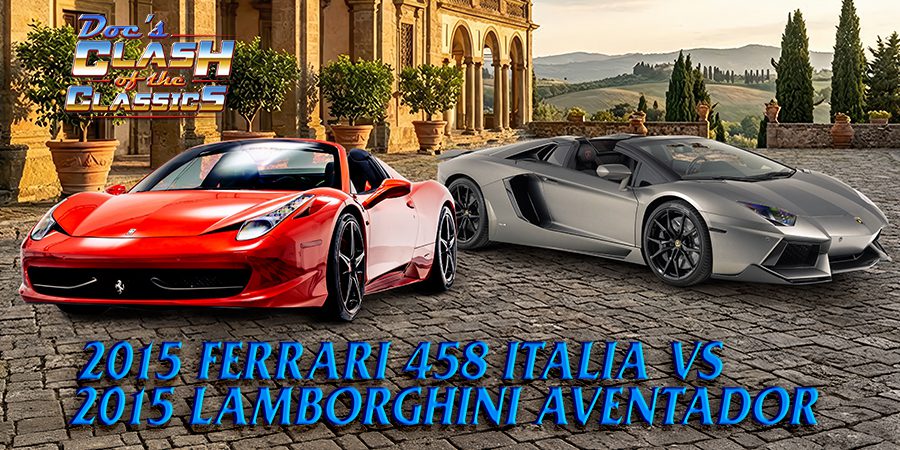
Welcome, once again to Clash of the Classics. This month will be a lot of fun as we’ll look at two modern day classics that have become legendary. Today, the battle is between the 2015 Ferrari 458 Italia Spider and the 2015 Lamborghini Aventador LP700.
For those of us who have a deep affinity for tasteful automotive designs, one need look no further than these two supercars. Both of these designs are truly iconic and awe-inspiring.
Several years ago, I was invited out to the Auto Gallery in Calabasas California to preview these two cars. It was an experience that I’ll not soon forget, one that I’ll be forever grateful for.
To begin, I realize there are moments in life when you begin to quietly reorganize your priorities. They don’t arrive with fireworks or lap times. They arrive when a machine reveals something about you, about what you respond to, what stays with you long after the drive is over.
For me, that moment came when I found myself standing between two icons of Italian performance: a 2015 Ferrari 458 Italia Spider and a 2015 Lamborghini Aventador. Both were naturally aspirated. Both were unapologetically excessive. And both represented the final breaths of an era that, at the time, I didn’t yet realize was ending.
What surprised me wasn’t how different the cars were. It was how differently they made me feel.
 The Ferrari didn’t announce itself. It never needed to. The 458 Italia sat low and poised, its lines fluid and resolved, as if shaped by air rather than ego. It looked purposeful, not performative. Even at rest, it gave the impression of motion, of readiness. There was confidence in its restraint, something distinctly Italian in the old-world sense, like a tailored jacket that fits perfectly without drawing attention to itself.
The Aventador, by contrast, arrived like a declaration. Sharp angles. Impossible proportions. Scissor doors that turned every exit into a performance. It wasn’t content to be admired quietly; it commanded attention. People stopped. Phones came out. Conversations paused. Whether you wanted to be noticed or not, the Aventador decided for you.

Standing between them, it became immediately clear: one car wanted to be driven; the other wanted to be witnessed.
The first time I brought the 458 to life, it felt less like starting an engine and more like opening a dialogue.
The naturally aspirated 4.5-liter V8 responded instantly, without delay or filtration. Throttle inputs were answered, not interpreted. The engine climbed through the rev range with clarity and intent, building toward a 9,000-rpm crescendo that felt almost vocal in character.
This wasn’t brute force, it was articulation. The sound sharpened as revs rose, transforming into something operatic and precise. It encouraged exploration, rewarded restraint, and made every drive feel participatory. It wasn’t just fast; it was expressive.
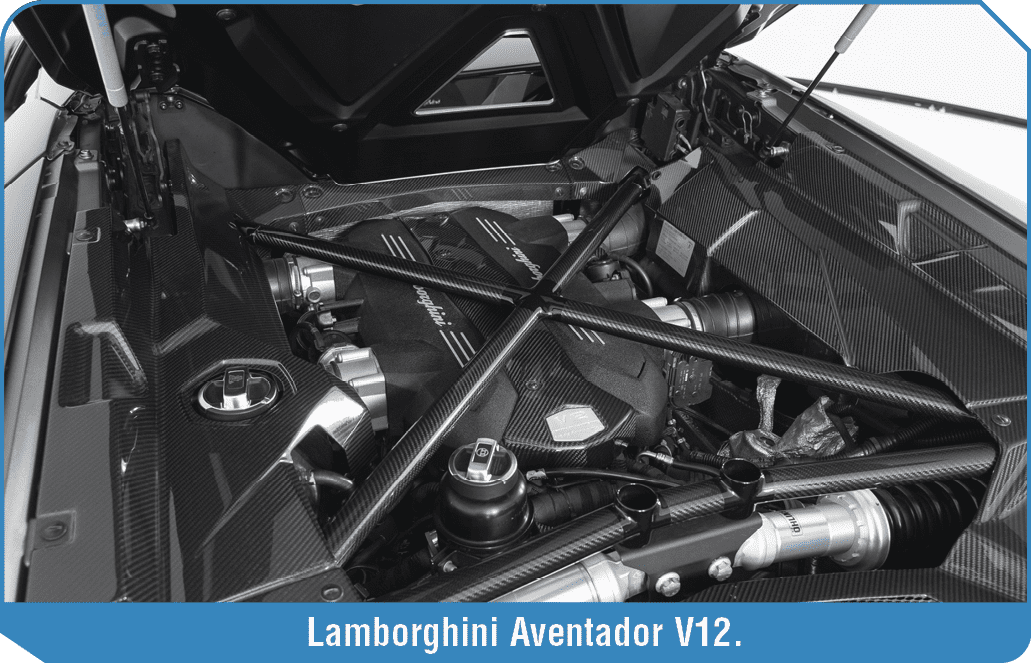
The Aventador’s 6.5-liter V12 made no such invitation. When it fires, the sound is physical, deep, resonant, and commanding. It doesn’t rise so much as arrive, filling the space around it with an unmistakable presence. Acceleration feels less like progress and more like momentum unleashed. This engine doesn’t care if you’re impressed. It assumes you are.
Where the Ferrari speaks to you, the Lamborghini speaks over you, and that’s exactly what some drivers want. Within minutes behind the wheel of the 458, I realized something important: this car wanted me to improve.
 The steering was light but intensely communicative. The front end responded instantly, the rear followed faithfully, and the chassis felt balanced in a way that inspired trust. Inputs mattered. Smoothness was rewarded. Mistakes were gently exposed, not punished.
The more attention I gave the car, the more it gave back. It didn’t feel like a machine compensating for my shortcomings. It felt like one quietly coaching me toward better driving. By the end of the drive, I wasn’t just enjoying myself, I felt sharper, more engaged, more connected to the road. And while the engine is an engineering masterpiece, the transmission is very much in a class by itself.
What struck me most about the 458’s dual-clutch transmission wasn’t how quickly it shifted, but how quickly I stopped thinking about it at all. Upshifts arrived exactly when expected, downshifts snapped into place with perfect rev-matching, and there was never a moment where the gearbox felt like a separate entity doing its own calculation. It felt anticipatory, as though it understood intent before instruction. During spirited driving, it disappeared entirely, allowing engine and steering to take center stage. In calmer moments, it behaved with a smoothness that made the car feel almost everyday usable. It was a reminder that the best engineering often goes unnoticed because it allows emotion, not mechanics, to dominate the experience.
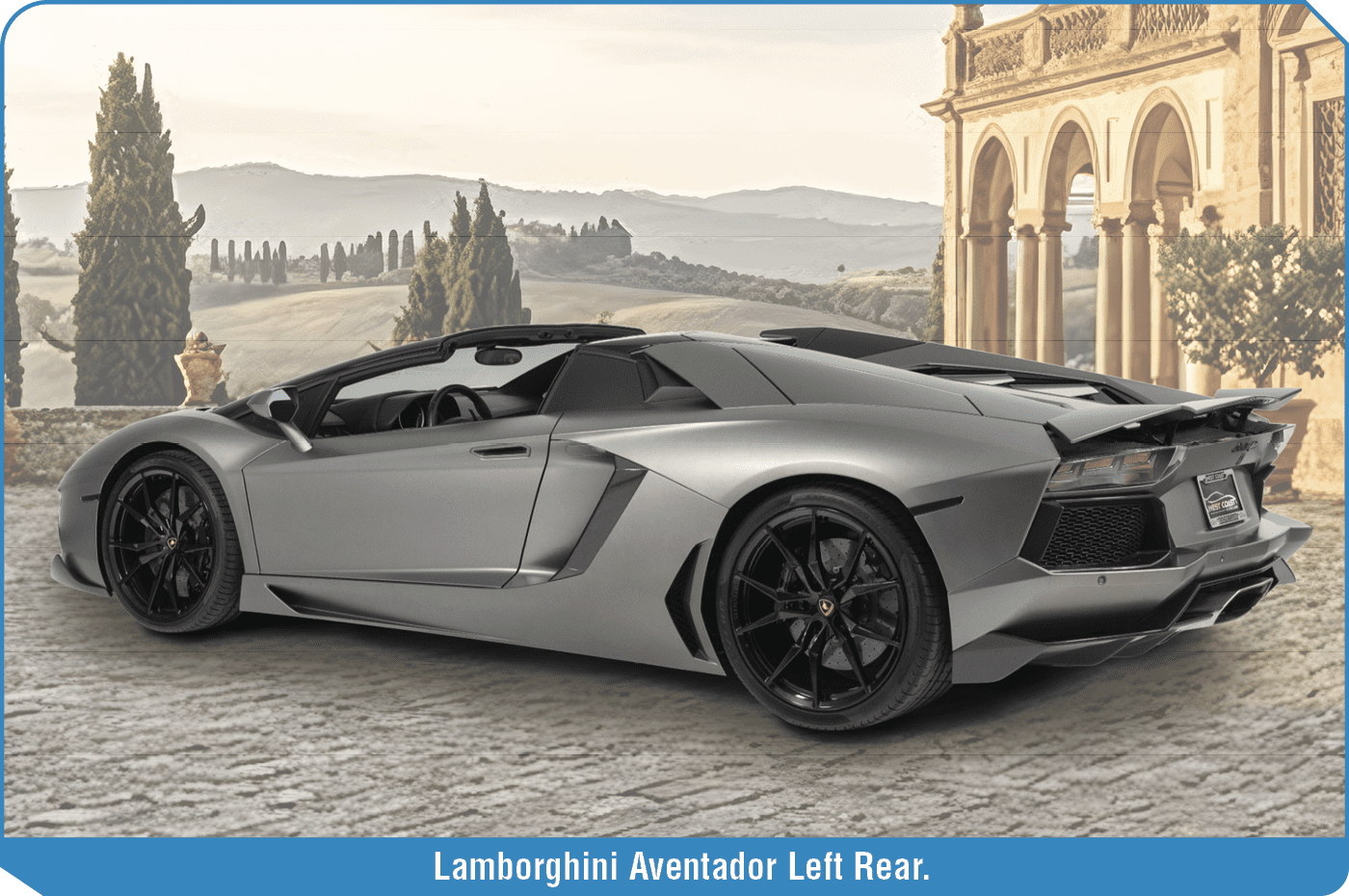 The Aventador, on the other hand, delivered its lesson immediately, and without subtlety. With its all-wheel drive system and immense width, the car felt planted and authoritative. Acceleration was violent. Stability at speed was unquestionable. The road seemed to flatten beneath it.
But there was always a sense of mass, of something large and immensely powerful that demanded respect. You didn’t finesse the Aventador so much as command it.
The Aventador’s single-clutch ISR transmission never allowed me to forget it was part of the experience. Each shift landed with a physical jolt, a reminder that gears and clutches were being rearranged beneath me in real time. At low speeds, it could feel abrupt, even impatient, but once the pace increased, those same characteristics felt purposeful, almost ceremonial. Every upshift reinforced the sense that this was a machine of consequence, not comfort. The transmission didn’t smooth over the experience; it amplified it. In the Aventador, shifting gears wasn’t a background process— it was a statement, underscoring Lamborghini’s commitment to drama and mechanical honesty.
Inside the Ferrari, everything existed for the driver. Controls clustered around the steering wheel. Displays were clear, purposeful, and intuitive. It wasn’t flashy, but it was deeply intentional, like a cockpit designed by engineers who valued function above spectacle.
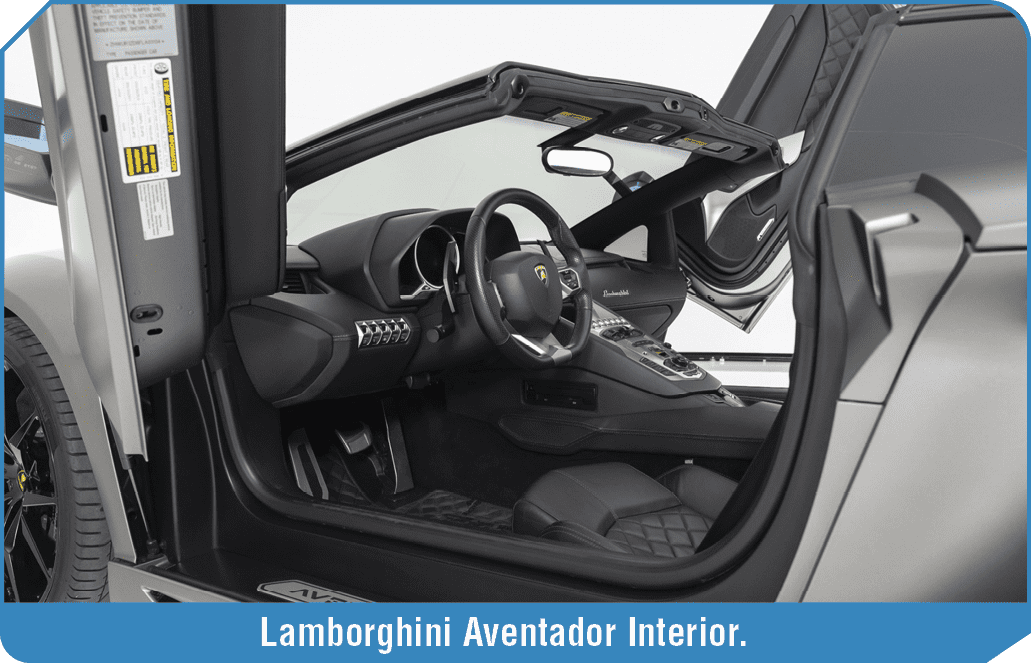
 The Lamborghini’s interior felt like stepping into a concept car that somehow made it into production. Angular surfaces, dramatic switchgear, and a red flip-up start button that made every ignition feel ceremonial.
While the Ferrari whispered, “Let’s drive” the Lamborghini shouted, “This is an event.”
The 458 surprised me with how approachable it was. Visibility was reasonable. Ride quality, while firm, was compliant enough for real roads. It felt like a car you could drive often, not just admire.
The Aventador made no such effort, ingress and egress required intention. Visibility was compromised. Every drive felt like a public appearance. There was nothing casual about it, and that, for many owners, is precisely the appeal.
You don’t drive an Aventador to relax, you drive it to feel alive. And here now, more than ten years later, it’s clear that time has been kind to both cars.
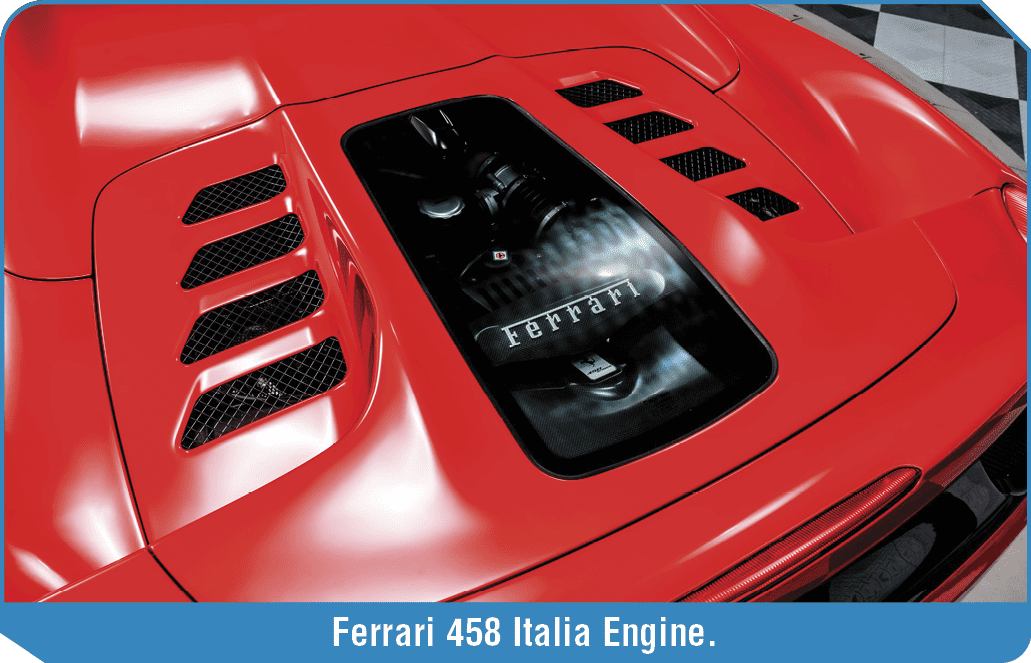 The Ferrari 458 Italia is now widely regarded as one of the greatest naturally aspirated V8 Ferraris ever built, a high-water mark before turbocharging reshaped the brand’s character.
The Aventador stands as one of the final pure expressions of Lamborghini’s V12 lineage, carrying the weight of history from Miura to Countach to Murciélago.
Both are future classics, but they will be remembered for different reasons. I admired the Aventador, I respected it, I was even exhilarated by it. But I connected with the Ferrari.
The 458 reminded me why I fell in love with cars in the first place, not because they were loud or extreme, but because they rewarded care, attention, and skill. It made driving feel like a craft worth refining.
The Lamborghini reminded me that excess still has value, that sometimes the point is to be overwhelmed. If I wanted to arrive, to announce myself, to make a statement without saying a word, the Aventador would be unmatched. If I wanted to remember, to replay roads in my mind years later, to associate a car with growth and connection, it would be the Ferrari.
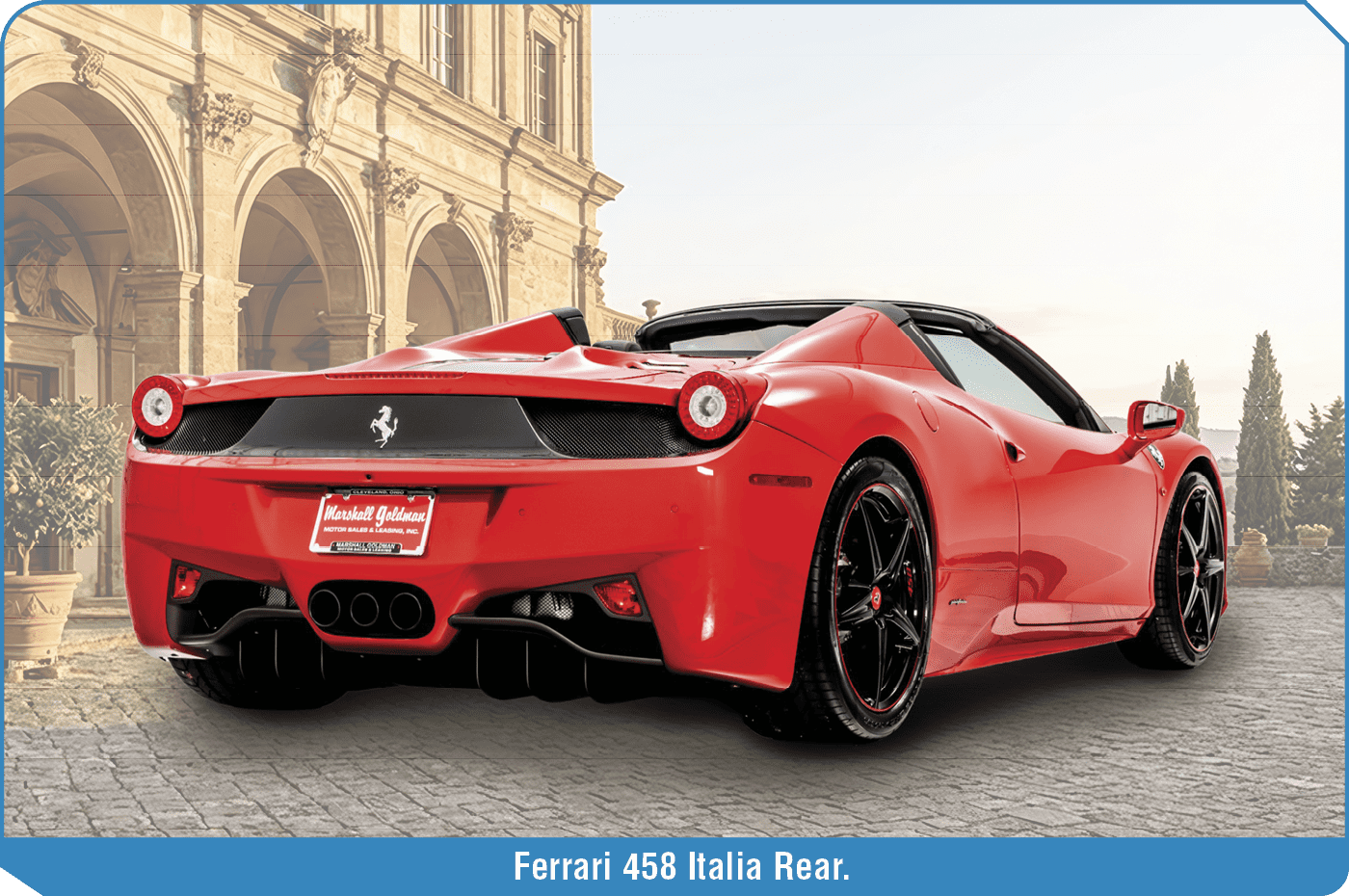 In the end, these two cars are not rivals so much as reflections of different desires. One asks, “How connected do you want to feel?” The other asks, “How powerful do you want to feel?” And depending on where you are in life, either answer can be the right one.
Now, it’s time to choose a winner and I’m sure most readers will probably sense which car I preferred. For me, the Ferrari takes the Gold Medal. It just felt a bit more refined. The Lamborghini is an incredible car that not only looks great but performs outstanding as well, but overall bang, at least for me, is the 458.
As always, we’d love to hear from you, let us know which car you prefer and why.
Until next time when we take a ride on a classic highway, stay safe… stay timeless… stay classic!
Special Thanks to Lonnie Decker at Auto Gallery for making this Clash battle possible and for allowing me an all-access pass to these two cars.