What defines a truly great organization? Is it a groundbreaking product? The brilliance of the people? The size of the profit margins? While all these factors play a vital role in keeping the lights on, they are merely byproducts of a deeper, foundational truth. At its core, greatness lies in a steadfast, unrelenting commitment to excellence.
Excellence is not a single, grand initiative rolled out at an annual corporate retreat, nor is it a short-term strategy designed to appease shareholders for a quarter. It is a core philosophy deeply ingrained in the culture of organizations that seek legacy-defining, long-term success. It is the bedrock upon which sustainable business growth is built.
But in a business landscape obsessed with overnight success and viral growth hacks, why does this foundational commitment to excellence matter so much?
The Power of Efficiency: Building the Baseline
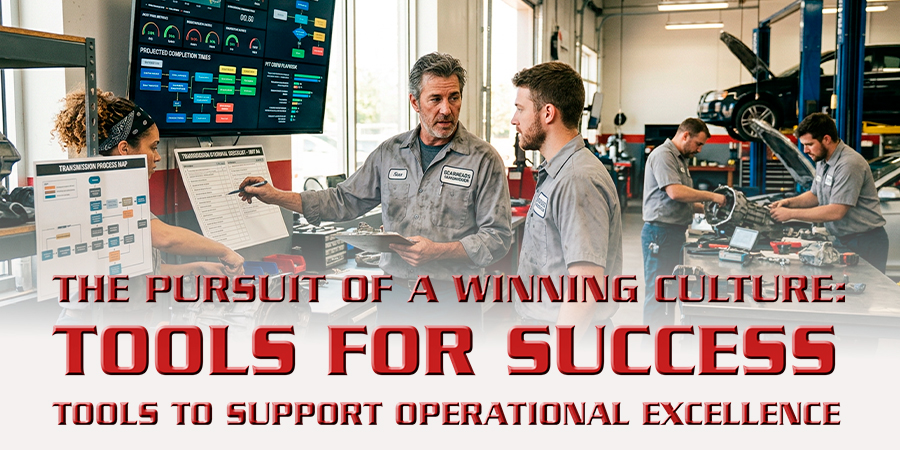
“Excellence is an art won by training and habit-forming techniques. We do not act rightly because we have virtue or excellence, but we have those virtues or excellence because we have acted rightly. We are what we repeatedly do. Excellence, then, is not an act, but a habit.” The pursuit of being number one in your industry is about doing things better every single day. However, we must redefine what “better” means. Efficiency isn’t just about working harder, driving your teams to the brink of burnout, or simply slashing budgets to cut costs. True efficiency is about architectural integrity. It is about building a system in which every individual component, every department, and every team member meshes cohesively to deliver maximum customer value with minimal friction.
When processes are truly optimized, efficiency stops being a goal and becomes the baseline. Waste is eliminated, time is conserved, and resources are maximized. Imagine what your organization could achieve if every task—from the most mundane administrative duty to the most complex strategic pivot—was executed with precision and purpose. When a team operates without the drag of clunky workflows, their energy shifts from merely surviving the day to conquering it. Doesn’t that inspire you to radically reimagine the way things are done right now?
Waste Reduction as a Strategic Competitive Advantage
When we hear the word “waste,” we often think of physical materials or financial leaks. But in the modern economy, waste comes in many more insidious forms. It is a loss of time, energy, and human talent.
Ask yourself: How much of your team’s potential is lost to unnecessary approval steps, redundant processes, or unclear communication? How many hours are burned in meetings that could have been emails, or fixing errors that a proper system would have caught?
A high-performance culture forces us to confront these inefficiencies head-on. It demands that we streamline workflows and create systems that rescue our most finite resource: time. It reminds us that every dollar—and every hour—saved by reducing waste isn’t just a cost recovery; it is capital that can be reinvested. That saved time and money can be invested in identifying which strategies work, refining those that do not, and training our people for the future.
Every minute spared by a good system can be used to ask, “What is the next advancement?” Waste is not just an operational flaw; it is a hidden opportunity waiting to be unlocked. Will you seize it?
Fostering a Culture of True Innovation
Think about the organizations that have stood the test of time, the ones that survive market crashes, technological revolutions, and shifting consumer habits. What sets them apart? Almost universally, it is their ability to innovate and adapt that sustains their relevance.
There is a common misconception that highly efficient, process-driven companies are rigid and robotic. The exact opposite is true. Being the best isn’t about shackling your team to inflexible systems; it is about creating a reliable framework that encourages out-of-the-box thinking.
- The Innovation Paradox: Structure creates freedom.
When day-to-day operations are humming along efficiently, your leadership and staff are no longer spending their days putting out fires. They finally have the mental bandwidth to think bigger, take calculated risks, and foster true technical and strategic innovation. Innovation cannot survive in a chaotic environment where everyone is in survival mode. It thrives in an environment where excellence is the standard, allowing creativity to flourish safely. Is your organization structured to provide that environment?
The Competitive Edge in Volatile Markets
We live in a world defined by constant, accelerated change. Market demands shift overnight, new competitors emerge from unexpected sectors, and external global factors push the boundaries of what is expected of us as business leaders.
Organizations that prioritize a culture of excellence are the ones that remain resilient and highly competitive in this volatility. When a business operates with strong, scalable, and predictable operational systems, it possesses a unique kind of agility. These businesses are better positioned to absorb the shock of disruption, pivot their strategies when necessary, and seize sudden opportunities that disorganized competitors completely miss.
When the world changes—and it will—will your business have the structural strength and cultural agility to adapt, or will it break under pressure?
A Call to Action for Leaders
To the management teams, technical staff, and business leaders reading this: the pursuit of a WINNING Culture begins and ends with leadership. It starts with your commitment. Without leadership setting the right tone, modeling the right behaviors, and holding the line on standards, achieving organizational excellence is completely unattainable.
This journey is not just about optimizing processes; it is fundamentally about your people. You must invest heavily in your crew. You must ensure your staff feels equipped, valued, and empowered to make decisions. Take a moment to look in the mirror and reflect on your leadership:
- Are your current operations as efficient as they could be?
- Are you hoarding control, or are you empowering your people to innovate?
- Are you tolerating mediocrity because it is comfortable?
“You don’t build a business. You build people, and then people build the business.” Excellence does not happen by accident. It is never the result of luck. It requires deep intention. It requires a clear, articulated vision. But most importantly, it requires relentless action.
Final Thoughts
Winning is not a destination; it is a continuous, evolving journey of improvement. Each step forward, no matter how small, brings you closer to a stronger, more resilient, and more impactful organization.
“Success is never owned; it’s rented, and the rent is due every single day.” The choice is now yours. Will you commit to the daily grind of pursuing a Winning Culture? Will you take deliberate, calculated steps to root out waste, empower your team, and demand excellence? The road is challenging, fraught with setbacks and hard decisions, but the reward is a lasting legacy. Excellence is a habit, and habits start with a single, decisive step.
Begin your transformation today by reflecting on your current reality, planning for your ideal future, and acting with immediate purpose. The future awaits those bold enough to build it properly.