Up to this point, we’ve focused on the mechanics of making things run smoothly. Chapters 1 through 4 gave you the blueprints and tools to spot waste, map out value, and see where your organization gets stuck. But let’s be real: theory doesn’t mean much if it just sits on a shelf.
Chapter 5 is where we stop planning and start doing. We are shifting our focus to the real heartbeat of long-term success: building a winning culture.
Excellence isn’t a finish line you cross once and forget about; it’s a daily grind. It’s what happens when an entire team wakes up and asks, “How can we be better today than we were yesterday?” A winning culture is the engine that drives everything, but it doesn’t happen by accident. It takes intentional effort, honest self-reflection, and a refusal to settle.
Are you ready to stop standing still and start building a dynamic powerhouse? Here are the six foundational steps to kick off your journey.
1. Define Clear, Actionable Goals
What does winning actually look like for you? If you don’t know where you’re going, you can’t measure how far you’ve come. Uncertainty kills execution. You need to be crystal clear about what you want to achieve. Crystal Clear!
Are you trying to skyrocket customer satisfaction? Slash waste and overhead? Or maybe speed up your delivery times to leave competitors in the dust? Whatever it is, that goal is your “True North”—the compass that keeps everyone rowing in the same direction.
When goals are fuzzy, effort gets scattered. A winning culture relies on SMART goals (Specific, Measurable, Achievable, Relevant, and Time-bound). Plus, these can’t just live in executive boardrooms or on a whiteboard in the lunchroom; they need to connect all the way down to the front lines.
Action Item: Sit down and clearly map out your short-term wins and long-term vision. Don’t keep them a secret. Share them early, often, and transparently with the whole team. People only take ownership when they know what they’re fighting for.
2. Measure Performance with Precision
As Peter Drucker famously said, “If you can’t measure it, you can’t improve it.” Key Performance Indicators (KPIs) aren’t just boring numbers on a monthly report—they are the pulse of your business.
Metrics take the emotion, bias, and guesswork out of the equation. They give you a reality check, showing you exactly where you’re winning and where you’re stumbling. Without data, major flaws remain hidden.
The trick is measuring the right things. Focus on leading indicators (predictors of future success) rather than just lagging indicators (past data, such as historical revenue). And steer clear of “vanity metrics” that look pretty on paper but don’t tell you how the business is doing.
Action Item: Audit your current metrics. Are they aligned with the goals you set in Step 1? Ditch the ones that don’t drive real behavior. Start tracking actionable, high-impact KPIs and ensure the teams responsible for them can see the data clearly.
3. Analyze Processes and Uncover the Truth
Where is the friction in your dayto- day operations? Every company has bottlenecks, inefficiencies, and hiccups. The difference between the good ones and the great ones is the willingness to look in the mirror and face those ugly truths.
Let data be your guide. Every delay, mistake, and do-over isn’t just a headache; it’s an opportunity to improve. Look for the “hidden factory”, all those unwritten workarounds and wasted efforts that quietly drain your time and money.
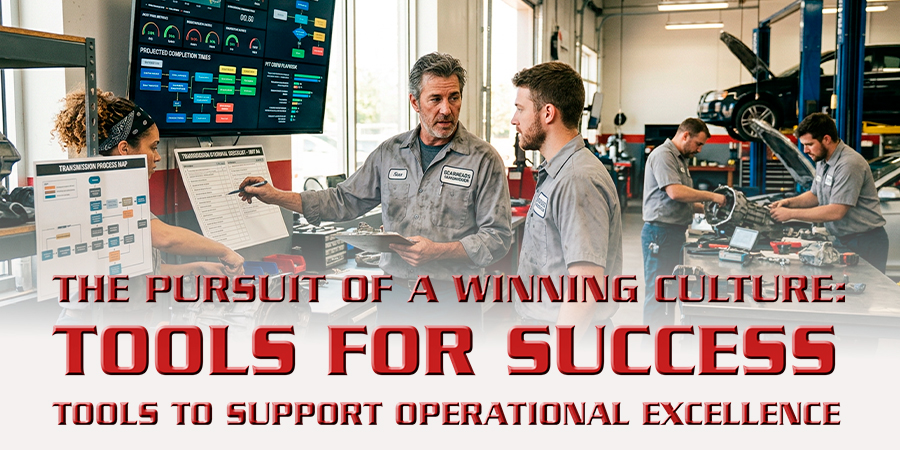
Action Item: Map out your core processes using tools like Value Stream Mapping (VSM). Leave the comfort of the conference room and head to the field of play, the actual place where the work happens. Watch the process live, talk to the people doing it, and find the real truth.
4. Improve and Implement Methodically
Thinking too much without taking action causes paralysis. If you’ve ever been in a management seminar, you’ve heard this phrase: “Analysis/Paralysis”. This is where your plans meet the real world. Use continuous improvement methods like Lean and Six Sigma to systematically cut out waste and optimize how work gets done.
Remember, lasting improvement rarely comes from massive, stressful overhauls that shock the system. Instead, rely on Kaizen—the philosophy of making small, smart, incremental changes that add up big over time. Testing changes on a small scale lowers your risk and reduces pushback, letting you perfect the solution before rolling it out everywhere.
Action Item: Don’t let perfection get in the way of progress. Every calculated improvement, no matter how small it seems on its own, takes you one step closer to excellence. Sometimes it’s okay to Ready, Fire, Aim.
5. Control and Sustain the Gains
Launching a great new process is only half the battle; keeping it alive is where most businesses fail. Without consistency, people naturally snap back to their old, comfortable habits—the “rubber band effect.”
To fight this, create solid systems, standard operating procedures (SOPs), and visual tools to ensure your hard work doesn’t fade away. True sustainability means standard routines, clear accountability, and active leadership. Build an environment where doing things the new way is easier than the old way.
Action Item: Bake control plans into daily routines. Use visual cues so problems stand out immediately. Celebrate wins but stay alert. Keeping things running smoothly takes daily discipline. Weekly short check-in meetings with lead staff can help with this.
6. Engage the Team and Empower the Frontline
Here is the hard, honest truth: no software, management system, or automated tool will ever outperform a highly engaged, supported team. You can’t just order people to be excellent from the top down; you have to build it from the ground up.
Your most valuable asset is the brainpower of your workforce. The people doing the job every day are the absolute experts on what’s broken. Every employee has game-changing ideas—but are you actually asking for them, or just barking orders?
Action Item: Break down the walls. Hold regular team huddles and brainstorming sessions to get ideas straight from the front lines. Celebrate contributions at every level, whether it’s a massive cost-saver or a tiny tweak to a workspace. Reward the proactive thinking that pushes the company forward.
The Road Ahead:
A Commitment to Resilience
Building a winning culture is a continuous loop, not a one-time project to tick off your to-do list. It requires a long-term commitment. It takes the humility to shift gears when things go sideways, and the grit to keep moving forward when a plan falls flat.
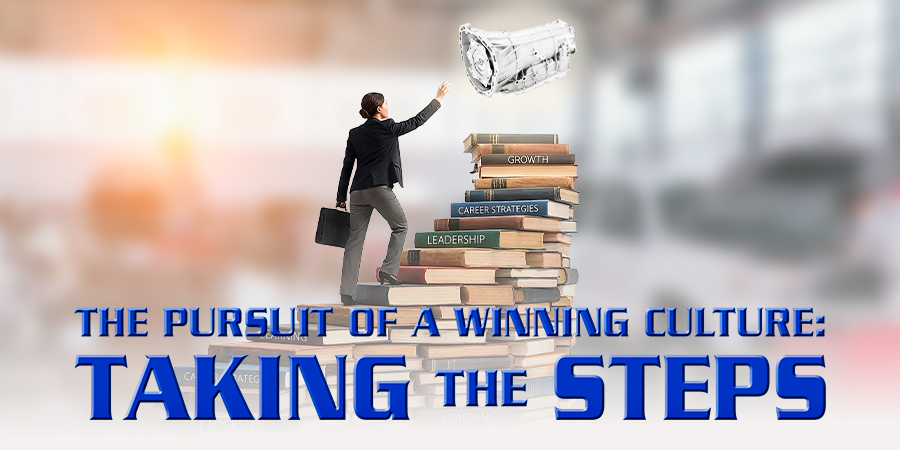
As you apply the lessons from these chapters, challenge yourself every single day. Ask yourself: “What can I do right now to move this team one step closer to excellence?”
Real change isn’t defined by a lack of obstacles or doubts; it’s defined by your team’s collective will to overcome them. Every effort matters. Every small win counts.
Are you ready to step up and run with it? Be bold, be honest with your analysis, and most importantly—just get started.