Throughout the year the ATRA Technical seminar tour visits 25 cities in regions across the US and Canada. Most of the time we fly to these destinations, but this story is about one seminar that we drove from the home office of China Grove, TX. to Loveland, CO. to host the Denver Technical seminar. A 30-hour, 2080 mile round-trip that took us through Texas, into northern New Mexico and then into Colorado. Normally this would be a trip by air but this time we wanted to do some shop visits and get a chance to meet the voice often heard on the Technical Hotline. And I brought along our media specialist Josh, who took the video and photos and turned them into a video that has been put on the ATRA YouTube channel. I’ll link the video at the end.
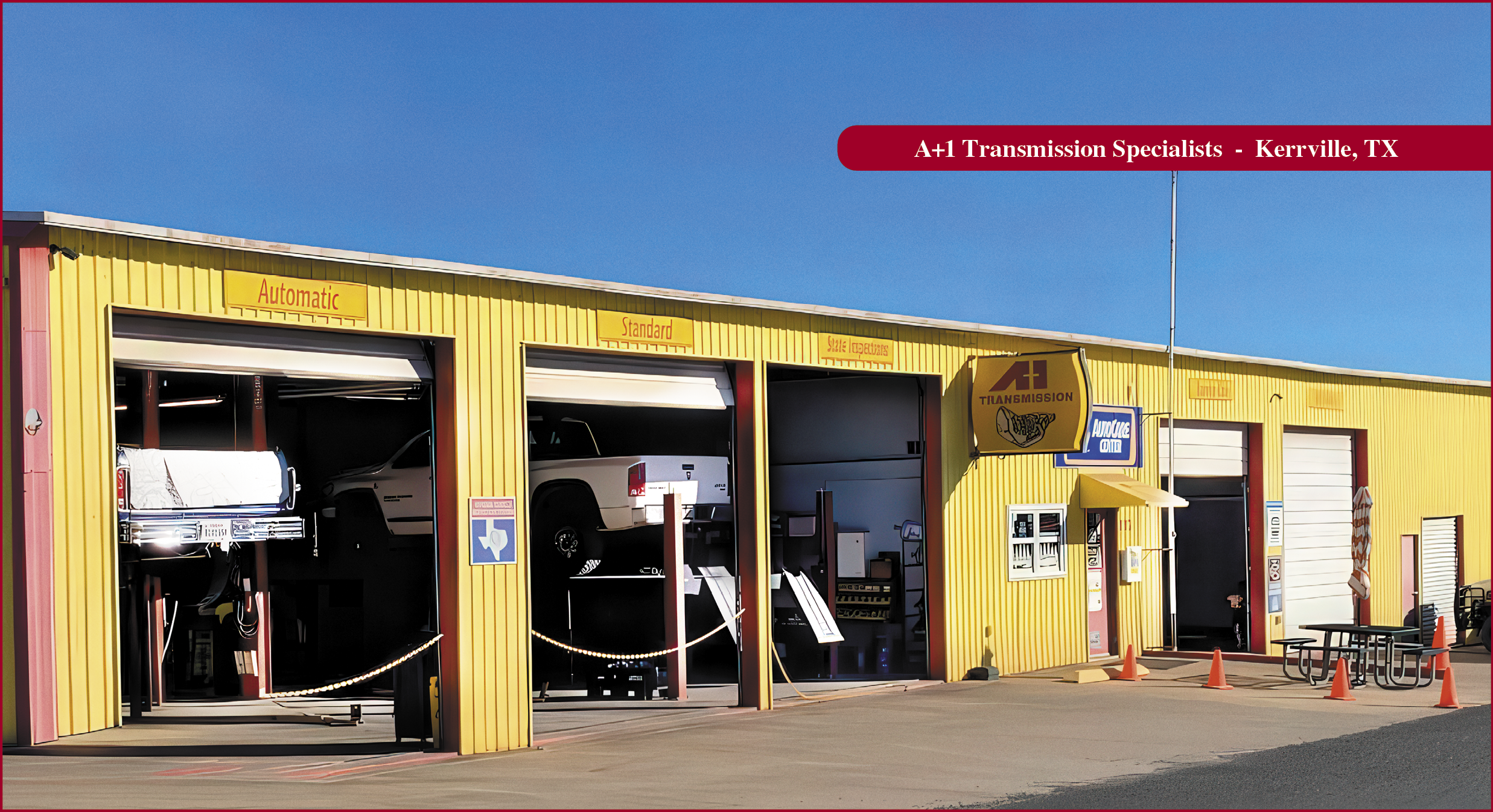 We start our adventure on a sunny Thursday morning as we left San Antonio, heading westward on I-10 to Kerrville, about an hour away. On the perfectly named road, Gasoline Alley, is the home of A+1 Transmission Specialists, run by Ed Doyle and his wife. To many ATRA members the name Ed Doyle is a familiar one. Ed has been on the ATRA Board of Directors and president of the Southwest Chapter. A+1 Transmission specialist began back in 1977 and has expanded since then with 18 lifts, air-conditioned rebuilding room and part department. Like the transmission industry, Ed and A+1 have evolved with the times, going from 2 & 3 speed transmissions to fully electronic 6, 8 & 10 speed transmissions that get tuning in house. Ed will be the first to tell you that adapting to the transmission industry is the key to longevity in this business.
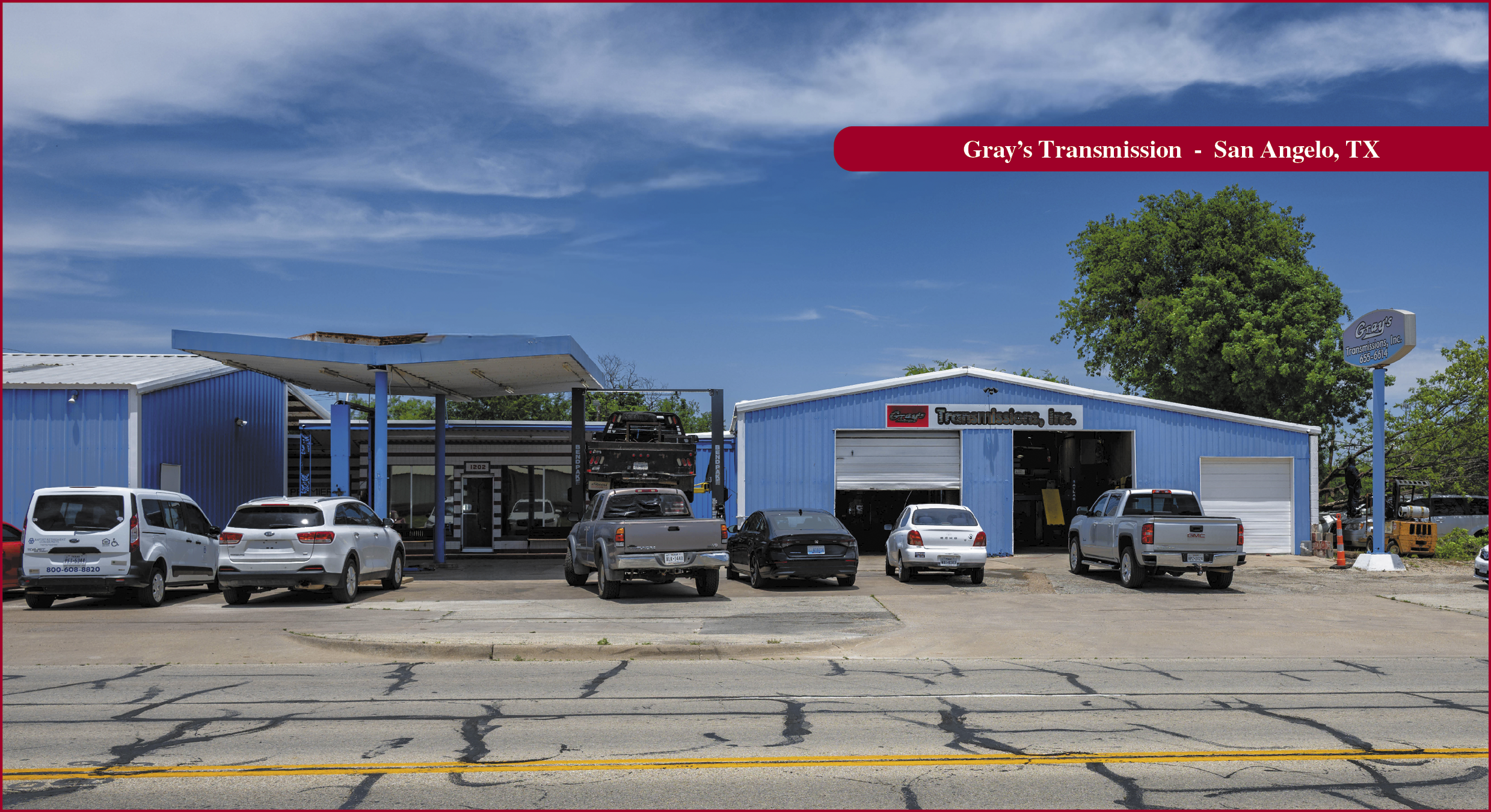
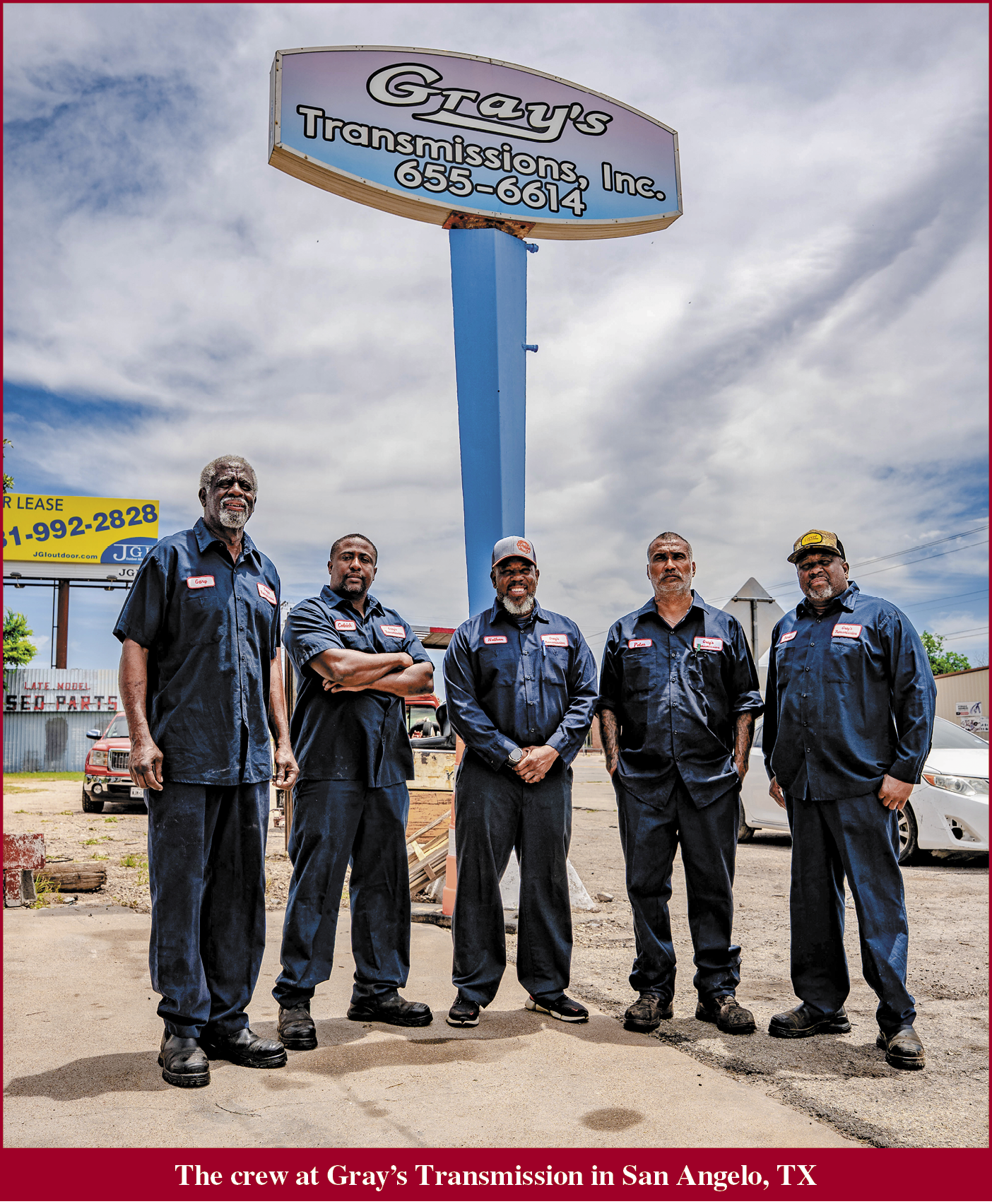 From Kerrville we continued our drive with a stop at Gray’s Transmission in San Angelo, TX. Gray’s Transmission is a family run business, with brothers, Gary, Nathan, Travis, Peter and nephew Cedrick, and a long history in the San Angelo area. Started by their father, Henry Gray back in 1973, who brought his sons into the game as they got old enough to turn wrenches. Henry is retired now but assists when one of the oldies comes in and dad’s firsthand knowledge is needed.
After San Angelo we made it to Amarillo to wrap up the day. Our sunny day turned into a bit of a storm blowing dust across the road so thick that you couldn’t see but a hundred feet ahead. And with high winds comes fire danger and this day was no different as there was wildfire to the west with smoke blowing our direction. These are the common dangers in the Great Plains, unabated winds, sudden storms and the dangers that may come. Luckily for us that danger passed through the night. Later, on our return trip we found evidence of the wildfire crossing the highway on our way north.
The next day we exited west out of Texas and into northern New Mexico. The flatness of the plains gave way to the hills then mountains of the Rocky’s. Our time in New Mexico was brief as the highway to Denver led us into Colorado. Growing up in Alaska and seeing snowcapped mountains brought a bit of comfort, and homesickness to me.
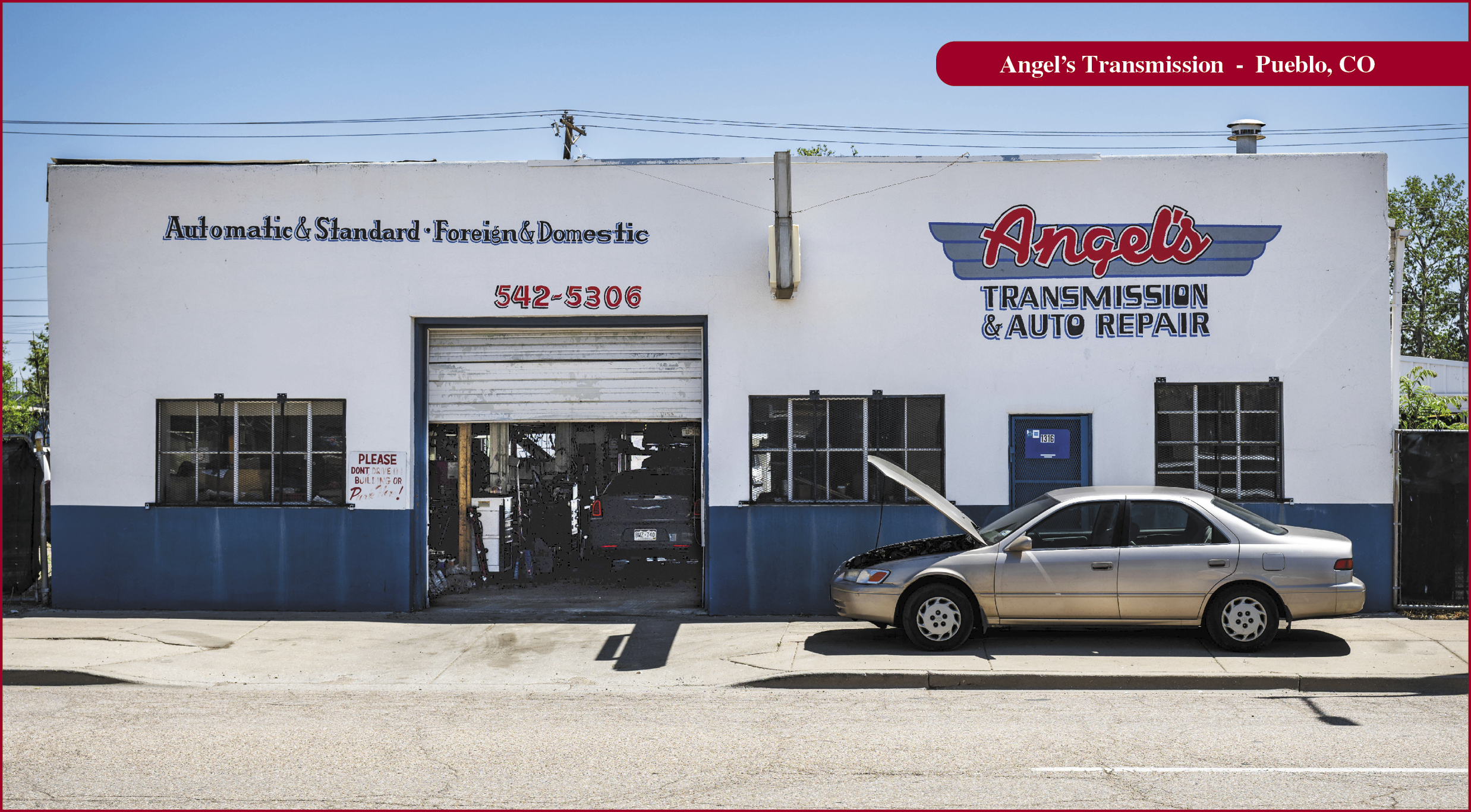
 Sentimental feelings aside we next reached the city of Pueblo, Colorado. Pueblo is a city rich in industrial history, from its fur trade origins to a gold rush that brought in the railroad. As the gold rush waned away, iron took over. Pueblo became a major steel producer, so much so that it was referred to as the Pittsburgh of the West. But we didn’t stop in Pueblo to visit the mining museums or look at the mostly abandoned steel mill. Instead, we stopped in to visit Irma Olivia at Angel’s Transmission. I’ve gotten to know Irma from our technical hotline calls but this is the first time meeting in person. Irma and her husband, Angel, own and operate Angel’s Transmission. Originally, they were in Santa Fe, Colorado but moved to Pueblo after the building they were in was sold. 4 months after moving into the current shop they suffered a flood that brought in over a foot of water and damaged equipment and computers alike. Like many shops they were given a choice with these circumstances, give in or persevere. They chose the latter. And from the number of customers and amount of work present when we were there, that was the correct choice.
Still needing to make it to our destination and with one more stop planned, we had to cut our visit short at Angel’s. Little did we know how bad the traffic would be on the I-25 going north. Without construction and accidents, it wouldn’t have been bad, but we were treated to both construction and accidents, further delaying our arrival. Once we got into Denver it was kind of a relief to get off the congested highway and into the stop and go traffic of the city. It felt more like progress as we went from stop light to stop light.
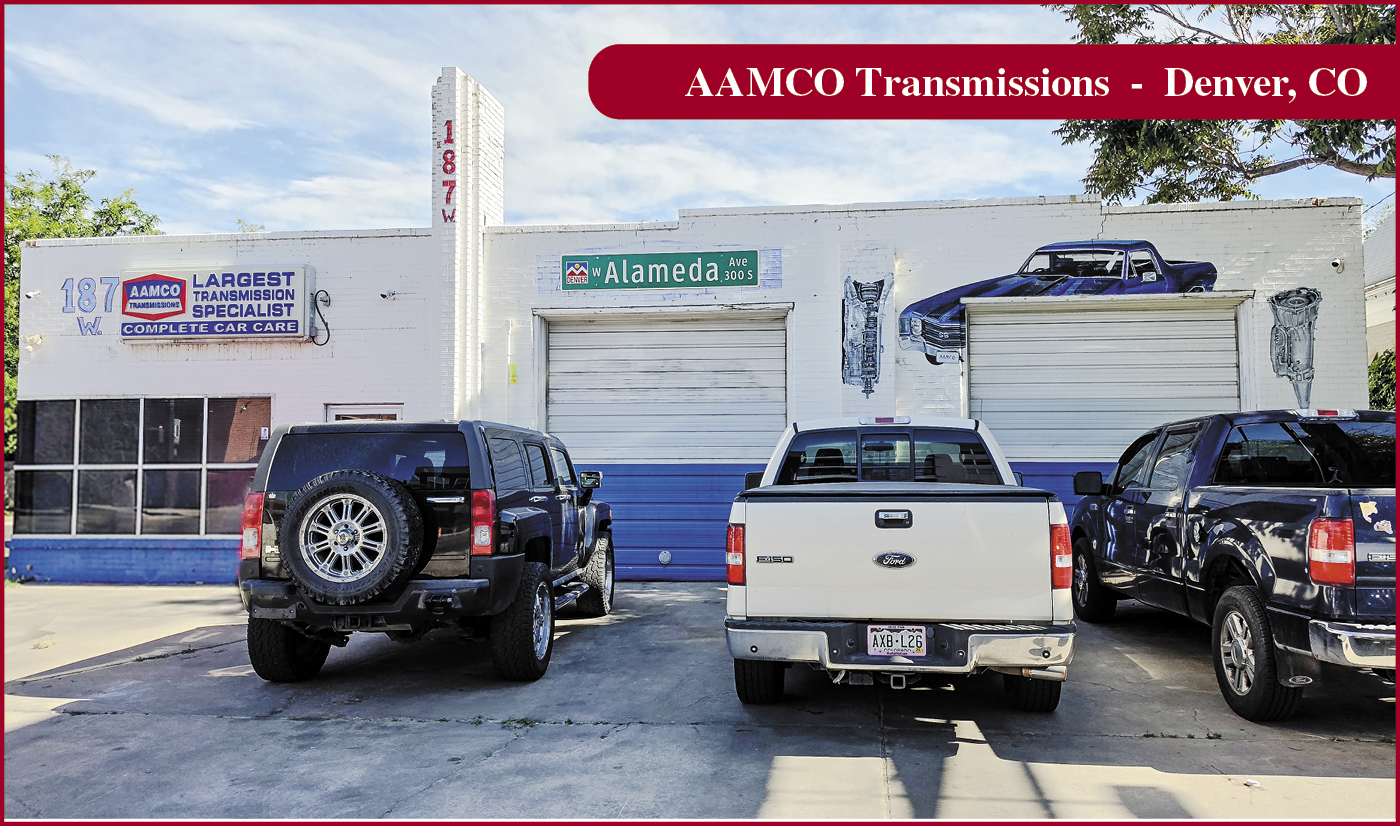
We arrived at our last shop, AAMCO Transmissions on W Alameda Ave. Owned and operated by Gouping (Lee) Li, along with his builder Robin Mitchell and Technician Alex Mitchell, they tackle a wide range domestic and import vehicles. One thing that’s apparent was the amount of communication they have with one another. Discoveries are shared but even more so are the problems that arise. These problems become a group project, and with today’s complexity of vehicles that’s a necessary process to locating and repairing problems. Putting many heads, and ideas, together to find that solution.
 From Denver we continued our battle with traffic north to Loveland, Colorado. Checked in to our room and prepared for the next day’s seminar.
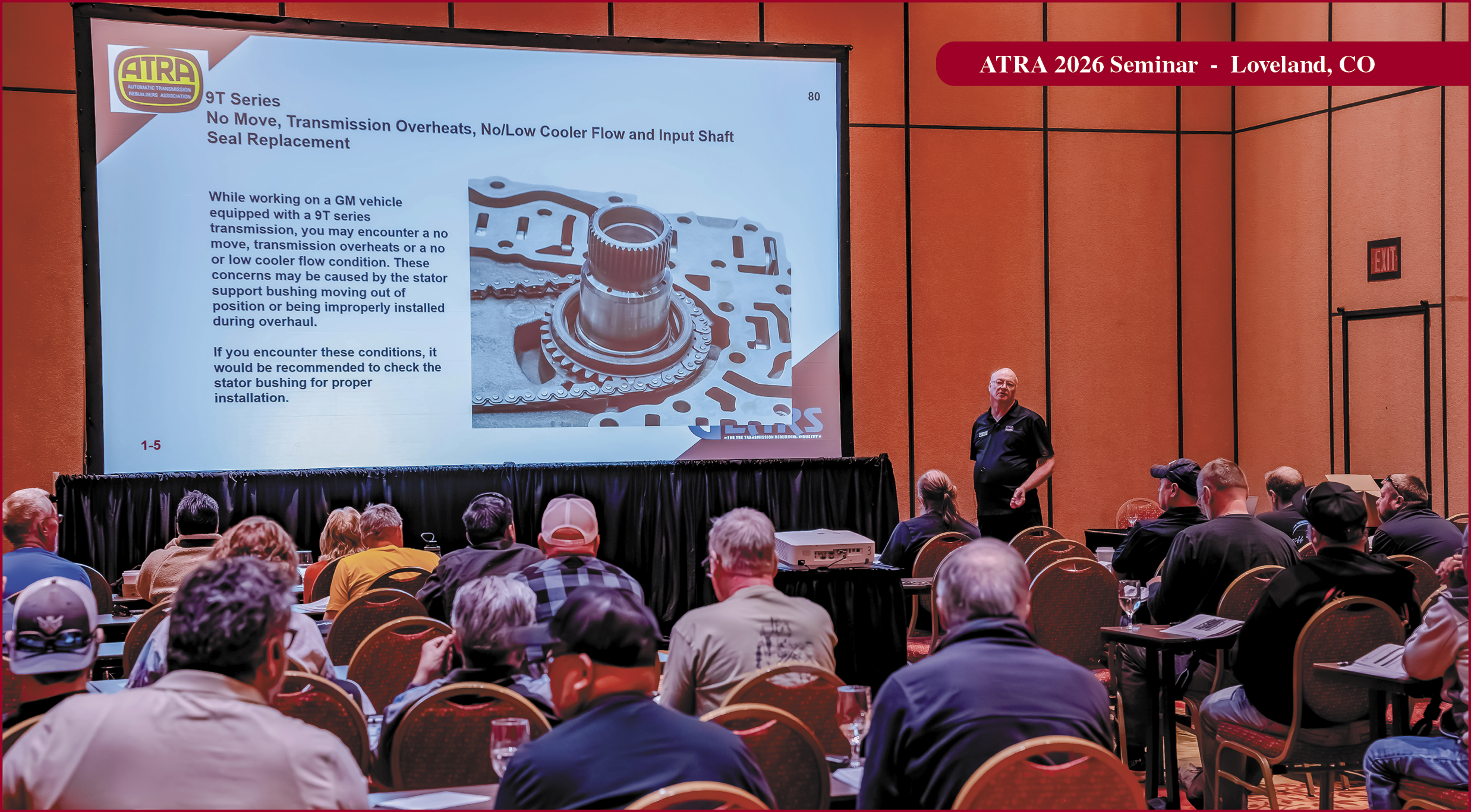
Seminar Day typically begins with an early arrival to the venue, 6-6:30am is common. Mains sure we have access to the room, all the equipment is present and finding when and where the coffee is at. That last part is very important as you can imagine. The on-site vendors come in around the same time and set up their tables, ready to show off their goods. It’s not long after all the preparations have been made and the attendees start to show. Coffee in hand, seats picked out and the visit to the vendors over, its show time!
 The Denver attendees come from multiple states and even within Colorado it’s a long drive in if coming in from the west. For the people that came to Denver and all our seminars, we can’t thank you enough for taking the time to come in on a Saturday and spend the day with us. What makes the seminar successful is the interaction between the presenter and the attendee, as well as attendee interaction with each other. Just like the problem-solving example from earlier, group conversations can be very educational. And it’s always nice to meet the people we talk to on the phone. Handshakes and sometimes hugs (Hi Adam), are exchanged.
Those of us in the transmission industry are a community. No matter where you are, what your circumstances are, there’s someone out there experiencing the same trials and tribulations. Sometimes that person has solved the problem you’re facing, and sometimes they haven’t but have tried something you thought about, and by exchanging that information you can avoid sinking more time on a path that won’t yield the result that is being sought after. That is the advantage of networking. It happens at seminars; it happens at Expo. I cannot emphasize this enough, a lot of what you’ll learn is from your peers.
 At the close of the seminar, late afternoon, goodbyes were said as the parking lot emptied. After loading up, we too hit the road to return home. There was a lot to reflect on from the seminar presentation, comments or questions brought up during the seminar, and the drive itself. Almost anywhere you travel you’ll come across small towns that once were prosperous but now are skeletons of what they used to be. These towns had industries that supported their population with jobs, produced money for schools, infrastructure, providing a thriving community. Over time though those industries changed from factories in towns, mills and mines. They went away. Either shipped offshore or a change in technology that made the locally produced product obsolete. It’s sad to see these towns today, knowing what they once were.
I see this as a metaphor for our industry, failing to adapt to change will leave you in the past. And a drive out of town can show you how well those once glorious towns have done without adapting to change. The transmission industry is no different, never staying with one design or technology, always changing. Change is difficult, but in the end it can be worth it. Usually, good things are worth the effort. But like so many transmission shops out there, you are presented with 2 choices. Give up or persevere by adapting with the times.
The video recap of this trip can be seen here.